For Publishers
Streamline peer review and ensure publication integrity with our comprehensive suite of tools. Detect potential issues before they reach publication.
Stop integrity threats before it is too late.
Streamline peer review and ensure publication integrity with our comprehensive suite of tools. Detect potential issues before they reach publication.
Verify your work before submission to ensure it meets the highest standards of integrity. Identify and address potential issues early.
Maintain research standards across your organization and protect your institution's reputation. Monitor and ensure research integrity at scale.
Streamline your review process with AI-powered tools that help identify potential issues and ensure thorough, consistent evaluations.




Proactive monitoring to safeguard your journal's reputation.
Catch unintentional figure reuse before reviewers do. Check within your manuscript or against millions of published figures.
Verify your stats are correctly reported. Catches 43% more issues than Statcheck—fix them before submission.
Ensure every claim is properly supported. Avoid reviewer comments about missing or unnecessary references.
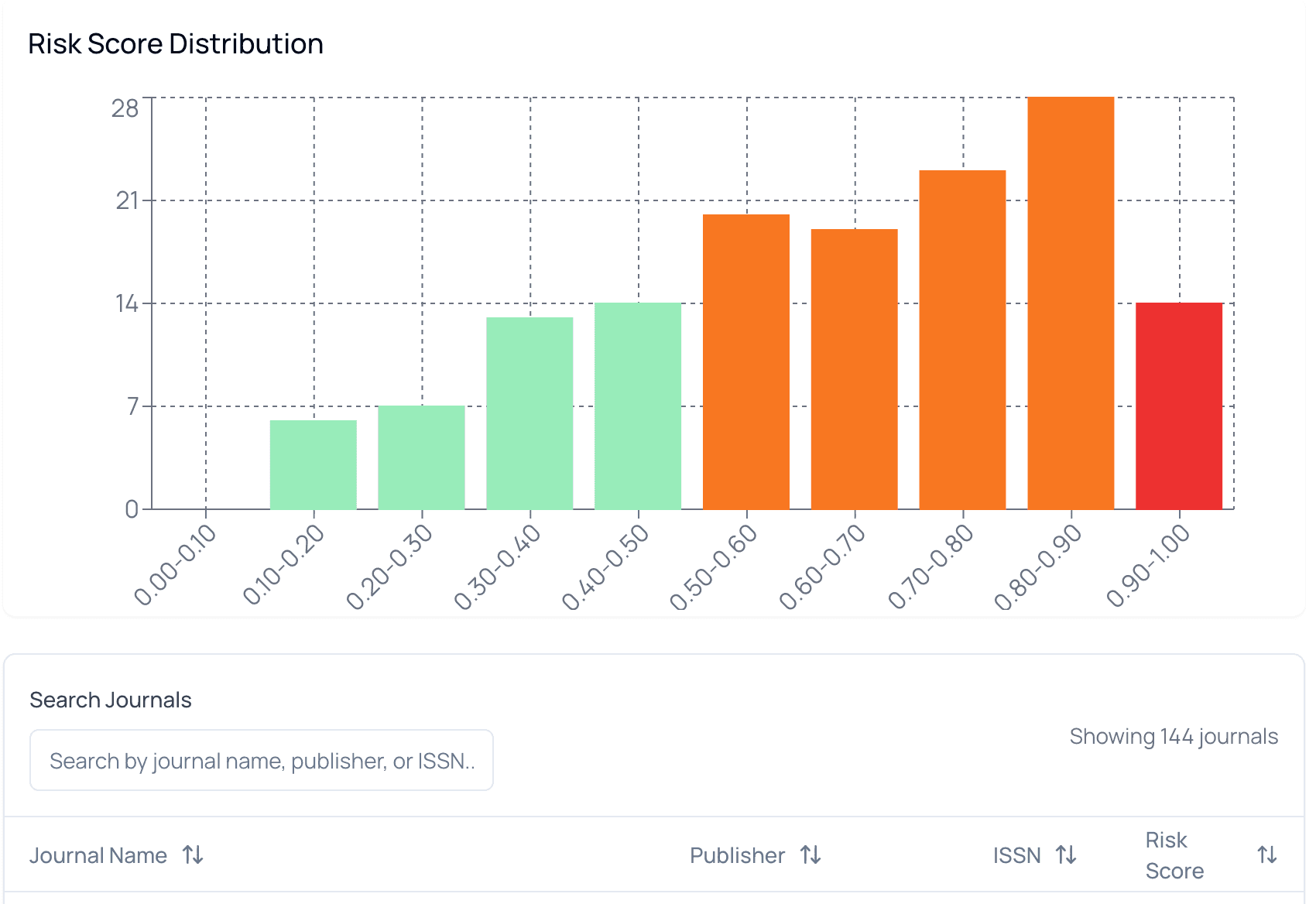
For publishers: proactively monitor your journal's integrity signals before issues become public.
Meet accessibility guidelines with checks for contrast, colorblind-friendliness, and readability.
Identify potential image processing issues in western blots and microscopy before they raise questions.
Get a zero-th opinion on your research.
Research
Explore the research behind our technology
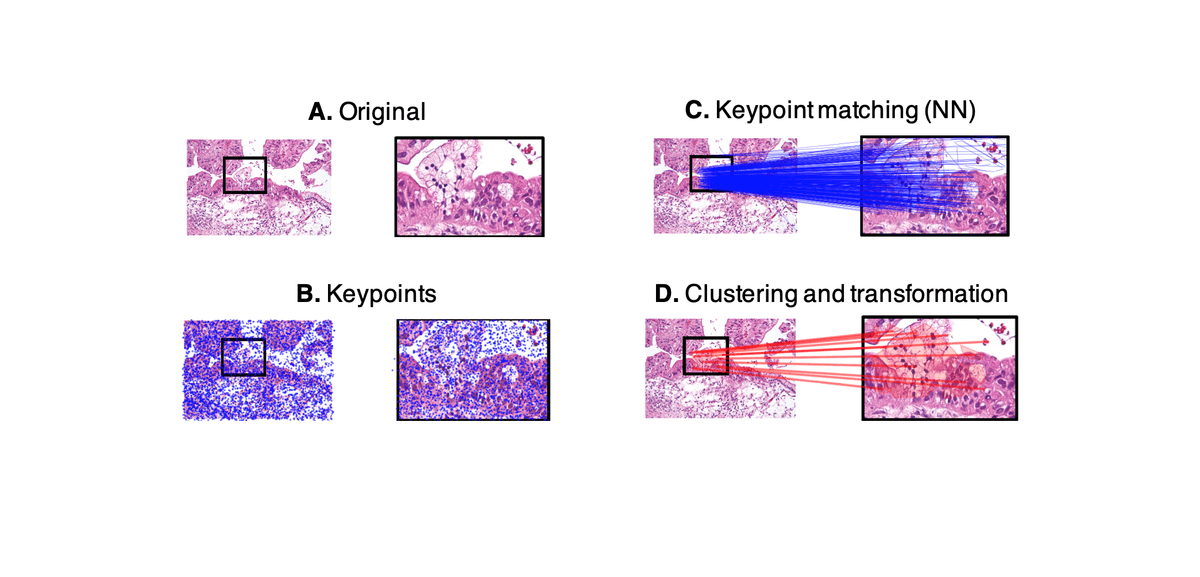
This study presents an algorithm that detects figure element reuse in a large dataset of 760 thousand open access articles and 2 million figures, robust to various transformations. A panel review estimates that 0.6% of all articles contain fraudulent reuses, with inappropriate reuses occurring 43% across articles, 28% within an article, and 29% within a figure.

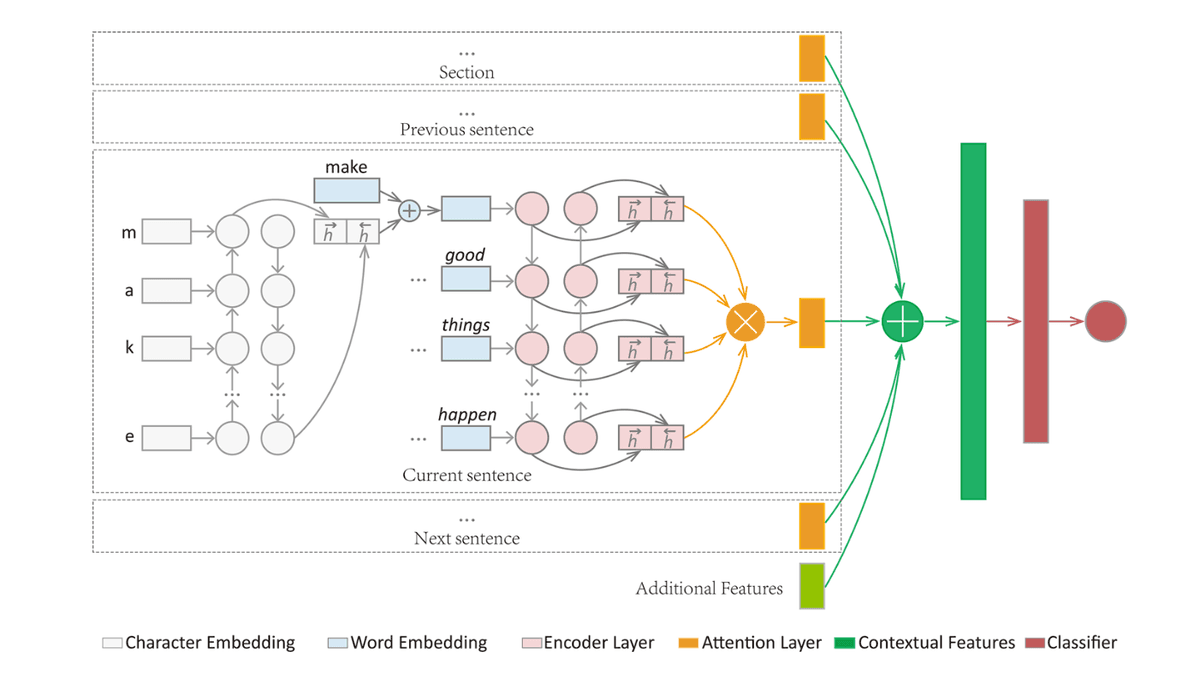
This study develops an automated system using advanced neural networks to pinpoint sentences needing citations. It enhances document quality by identifying citation errors using a comprehensive dataset.

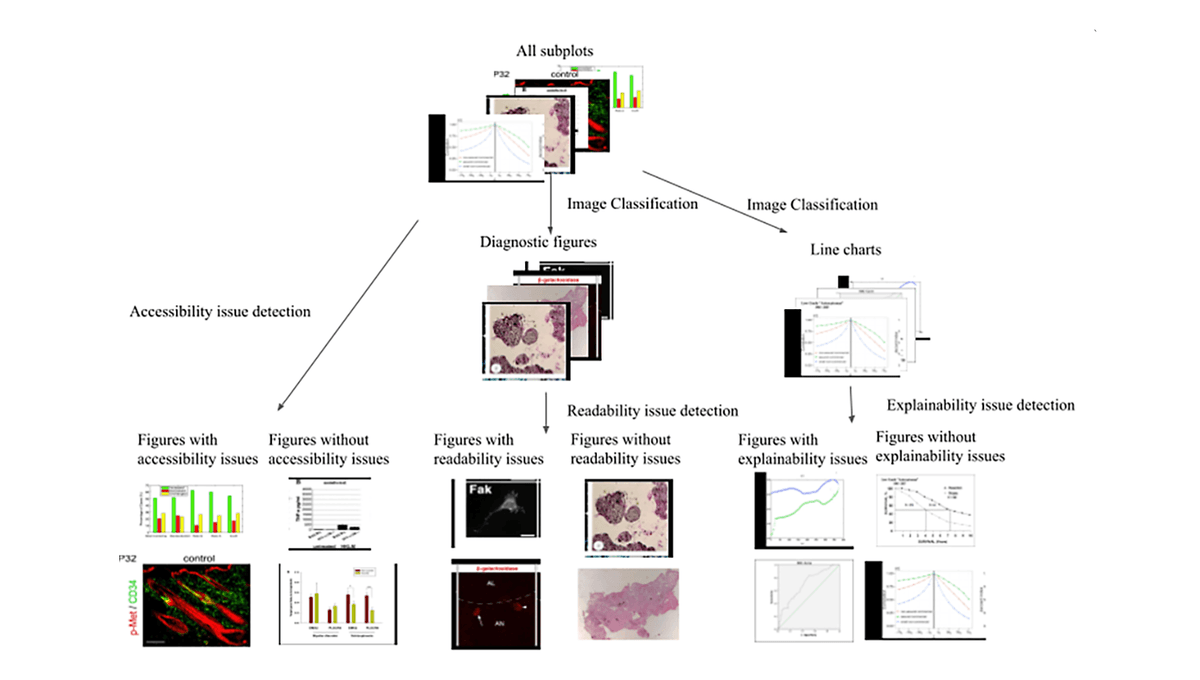
This study develops computational techniques to assess the accessibility, readability, and explainability of figures in scientific publications. Our analysis reveals that approximately 20.6% of open access publications have issues related to these aspects, with detailed statistics provided for specific problems.